
Amethyst
Amethyst is a purple variety of quartz, named after the Greek word for "not drunk" due to its historical association with preventing intoxication. Found in many countries, its price and value depend on color intensity and clarity, with darker, transparent hues being more valuable. Amethyst is the birthstone for February and is often used in jewelry and spiritual practices for its perceived benefits, such as stress relief, mental clarity, and spiritual connection, though these are not scientifically proven.
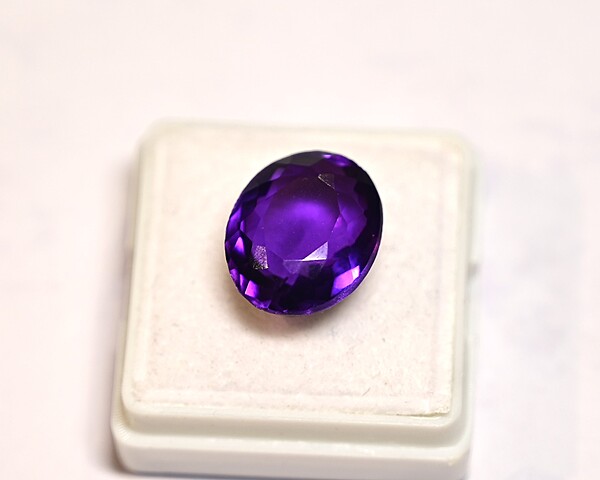
Origin: Amethyst's primary source is its formation within volcanic cavities and fractures, where silica-rich solutions crystallize over millions of years. Major global producers include Brazil, Uruguay, and various African countries like Zambia. Key sources in the United States and Canada are North Carolina, Arizona's Four Peaks mine, and the Thunder Bay area of Ontario.
Mineral Type: Amethyst is a silicon dioxide (SiO₂) mineral from the quartz family.
Value Factors: The darker and more transparent the stone, the higher its value.
Ancient Beliefs: Ancient cultures believed that amethyst prevented intoxication, and its name comes from the Greek amethystos.
Spiritual: It is believed to help balance the chakras, particularly the crown chakra, and connect the physical with the divine.
Astrological Substitute: It is also worn as an astrological substitute for blue sapphire to address issues like financial stress and professional instability.


